Alluvi Retatrutide Peptide for Weight Loss


Weight Loss: The Ultimate 2026 Guide
Weight loss science is evolving — and at the center of this revolution is Retatrutide, a next-generation peptide with unique metabolic effects that distinguish it from earlier weight-loss therapies. In this guide, we’ll explore what
Retatrutide is, how it works, its potential benefits and risks, clinical research, and what you should know before considering any peptide-based approach.
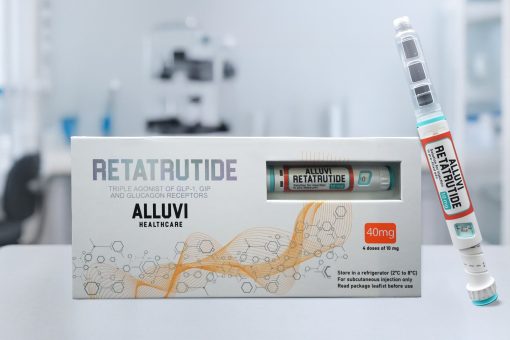
1: What is Retatrutide Peptide and How Does it Work?
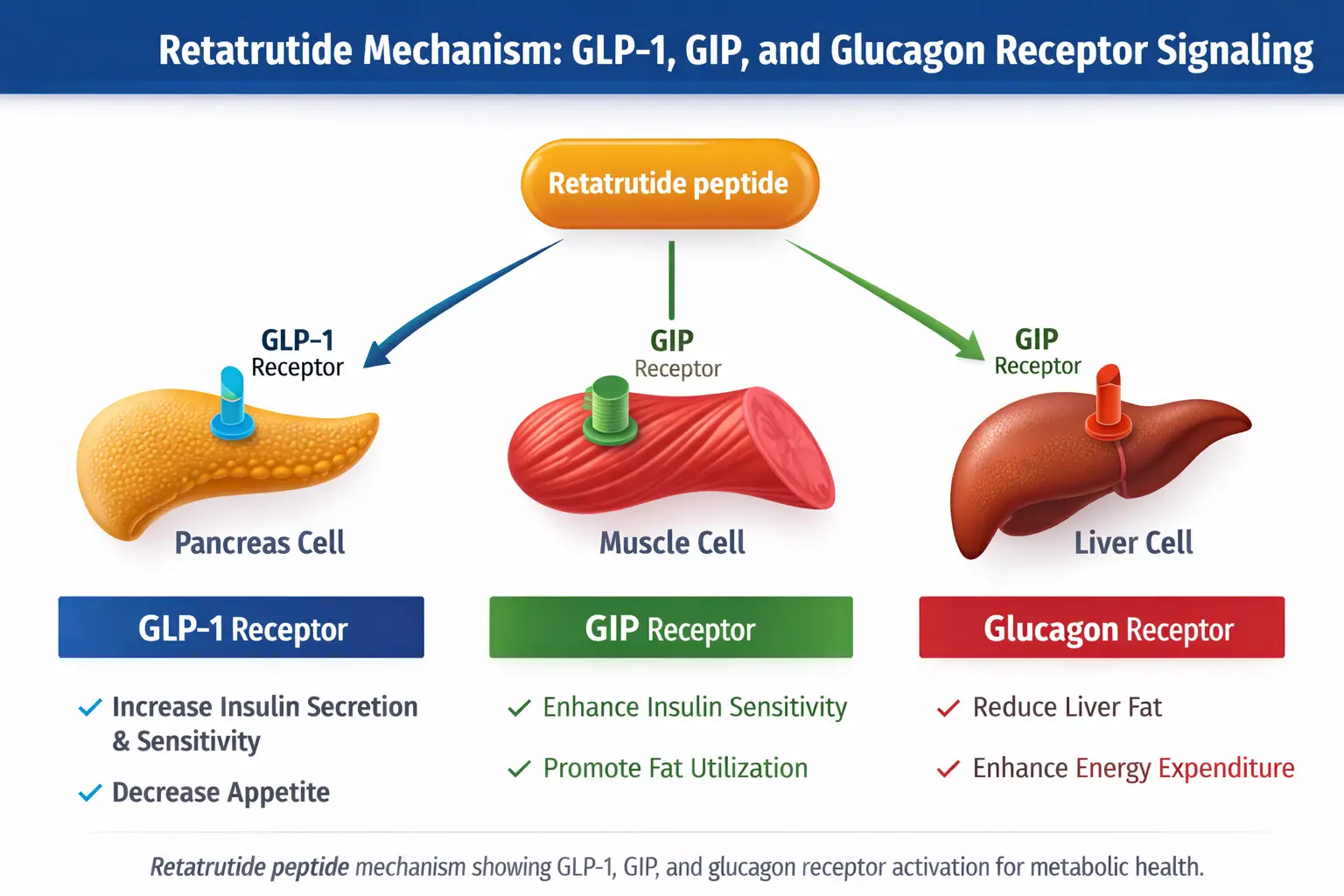
Retatrutide is a novel peptide molecule under clinical research that targets three major metabolic pathways — GLP-1, GIP, and glucagon receptors — to influence appetite control, insulin regulation, and energy expenditure. It’s often called a triple agonist peptide because it simultaneously activates:
GLP-1 Receptors: Reduces hunger and increases insulin secretion
GIP Receptors: Enhances insulin response after meals
Glucagon Receptors: Increases energy expenditure and fat metabolism
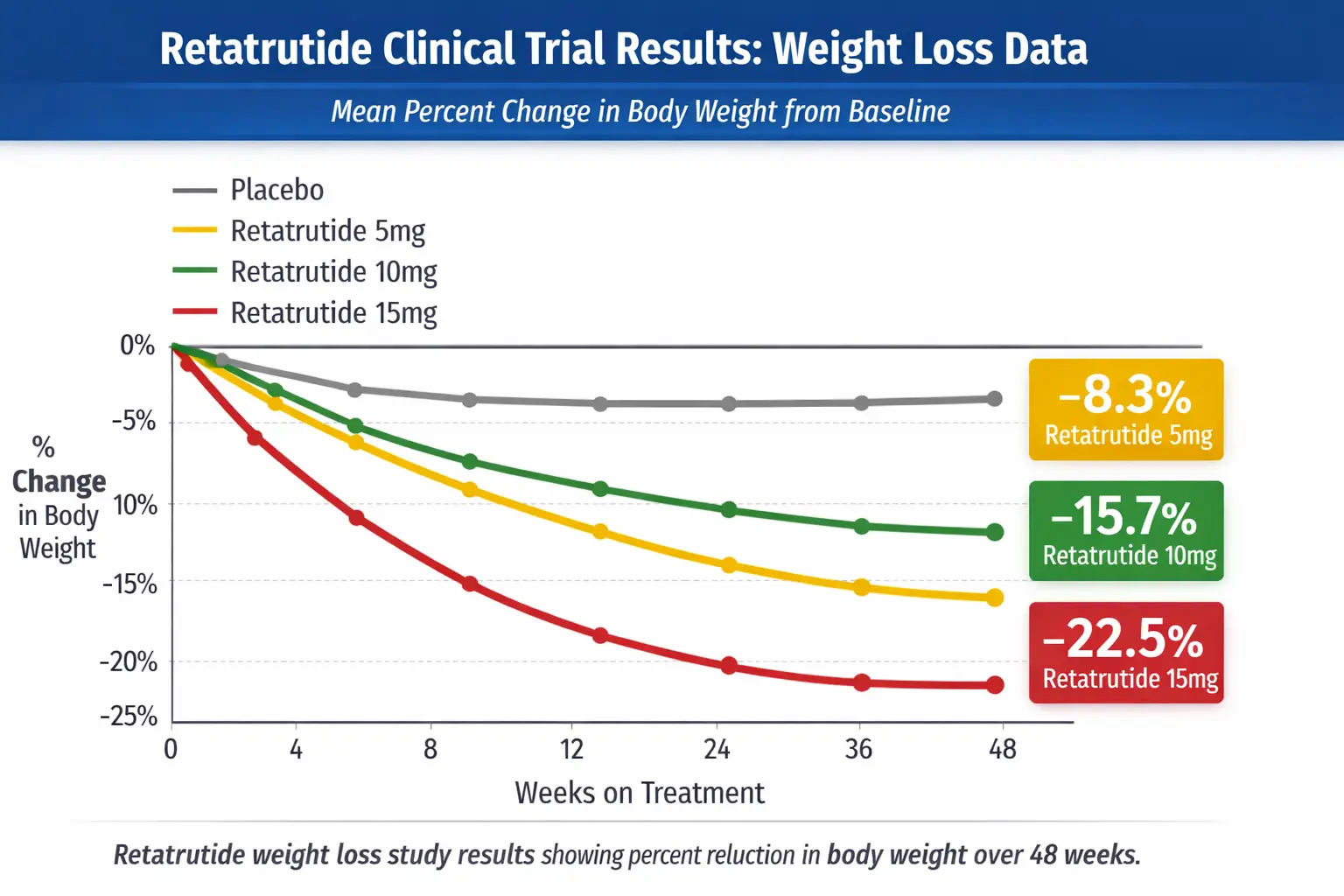
This unique mechanism sets Retatrutide apart from other peptides like semaglutide and tirzepatide, which activate one or two pathways only. Early clinical research suggests Retatrutide produced up to ~24.2% average weight loss in 48 weeks of phase 2 trials, which is significantly higher than many existing weight-loss medications in development.
However, Retatrutide is not yet FDA-approved for general use and is currently only available through trial programs. Anyone claiming to sell approved Retatrutide for human use outside of clinical settings is likely engaging in unregulated and unsafe practices.
⚠️ Important Safety Context
Some online vendors sell “retatrutide peptide” powders or injections as weight-loss products, but these are unregulated and potentially dangerous. Authentic Retatrutide should only be accessed through legitimate clinical programs.
📈 2: Benefits of Retatrutide Peptide for Weight Loss and Metabolic Health
Retatrutide’s multi-pathway action can influence weight loss through several key mechanisms:
🥗 1. Appetite Suppression
By activating GLP-1 and GIP receptors in the brain, Retatrutide can significantly reduce hunger signals, which leads to lower daily calorie intake — a major driver of sustained weight loss.
🔥 2. Increased Energy Expenditure
The glucagon receptor component may increase fat oxidation and metabolic rate, helping the body burn calories more efficiently even at rest.
💉 3. Improved Glycemic Control
Retatrutide helps balance insulin and glucagon — hormones that regulate blood sugar. This can support metabolic health in people with or at risk of type 2 diabetes.
📊 4. Sustained Weight Loss Outcomes
Phase 2 data showed body weight reductions of up to 24.2% in obese adults after 48 weeks, a result rarely seen in obesity therapy.
Note: These promising results are from research settings. Healthcare providers and regulators continue to evaluate safety and long-term effects.
🧪 3: Clinical Evidence, Side Effects, and Regulatory Status
🔬 Clinical Evidence Summary
Retatrutide has undergone multiple clinical investigations. In one Phase 2 trial, participants receiving higher weekly doses achieved dramatic weight reductions compared to placebo, showing both appetite reduction and metabolic improvements.
Despite this, Retatrutide is an investigational molecule not yet approved by regulatory authorities for general use. Any treatment outside supervised clinical trials can be unsafe.
⚠️ Reported Side Effects
As with most injectable peptides, the most common side effects observed in research include:
Nausea
Diarrhea or constipation
Vomiting
Gastrointestinal discomfort
Because the drug is not yet approved, long-term safety profiles are still being determined.
📜 Regulatory Considerations
Retatrutide remains in FDA and global regulatory review. If proven safe and effective, it may receive approval for weight management in the coming years. Until then, only clinical trial participation is a legitimate way to access investigational Retatrutide.
🛍️ 4: Choosing a Weight-Loss Peptide — Facts, Risks, and Responsible Use
With popularity rising around peptides for weight loss, especially on social platforms and forums, misinformation and unsafe products are circulating. It’s essential to distinguish clinically researched peptides from unverified market “supplements”.
🧪 Legitimate Clinical Peptides vs. Unsafe Products
Peptides sold online as “research chemicals” are often misrepresented and are not intended for human use unless part of an approved clinical study. These products may have:
Incorrect potency
Contaminants or unsterile production
No medical supervision
Consumers have been warned by the FDA about the risks of such unapproved products.
If you’re considering weight-loss therapies, discuss evidence-based treatments with your physician and avoid unregulated products that may endanger your health.
🧠 Supportive Lifestyle Measures
No peptide or medication replaces healthy habits. Sustainable weight management involves:
Balanced nutritional intake
Regular physical activity
Behavioral support
Ongoing clinical oversight
These elements, combined with cutting-edge research, provide a realistic path to long-term success.